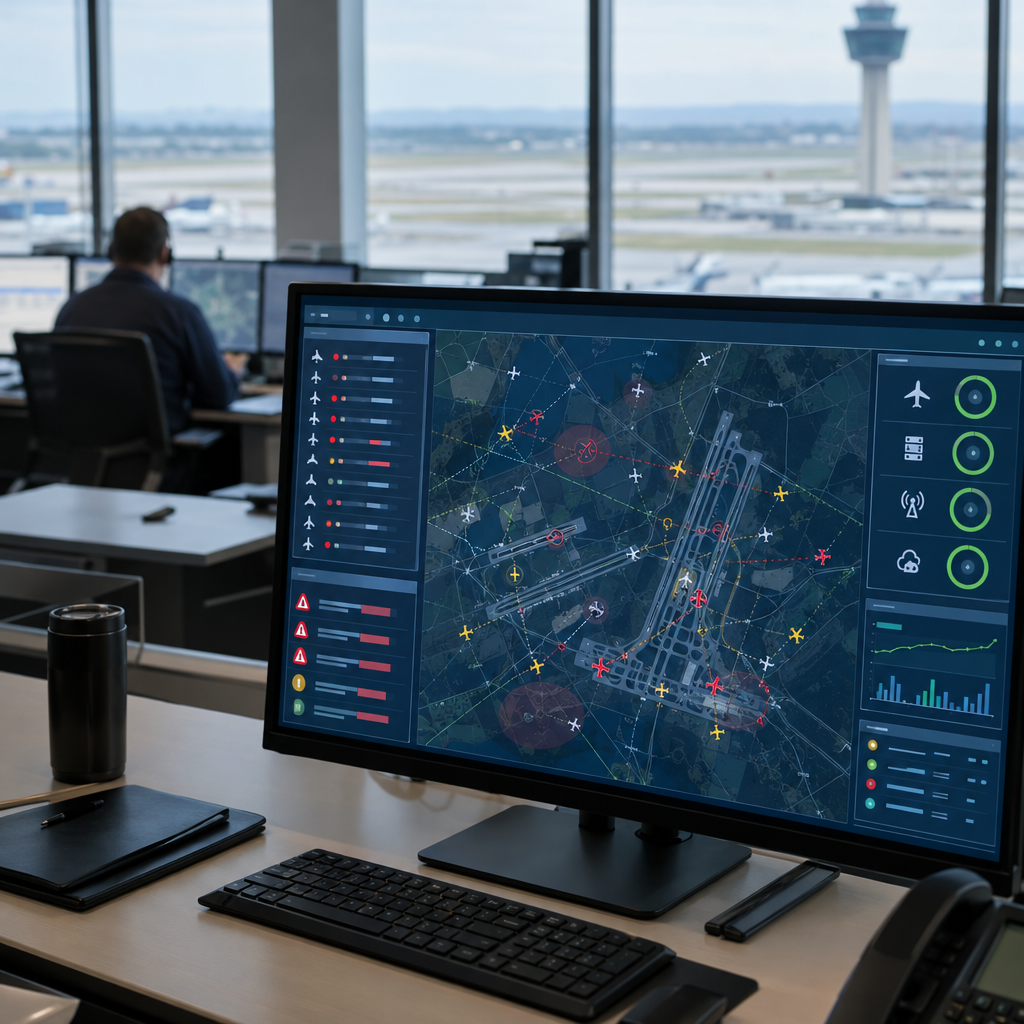
FAA Ground Stop Highlights the Business Risk of Outdated IT Systems
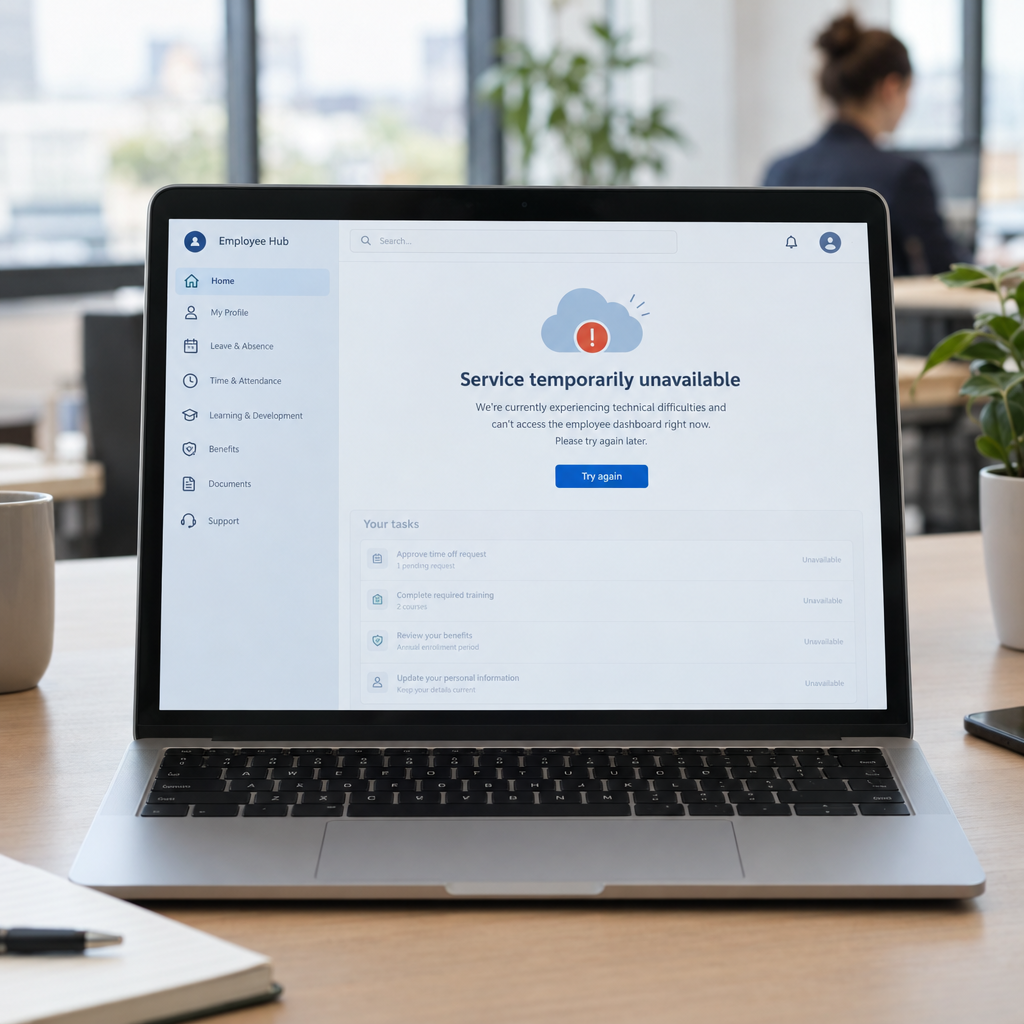
On November 13, the US Federal Aviation Administration (FAA) grounded flights across the country for several hours before allowing services to resume. The US transportation secretary attributed the disruption to an old, malfunctioning air traffic control system. Whatever the technical details, the incident is a clear reminder: when a critical system fails, the effects can quickly spread far beyond the organisation that operates it.
For businesses in Denmark and across Europe, the lesson is not that every company needs aviation-grade technology. It is that essential IT systems need regular maintenance, reliable monitoring and a plan for disruption. At Best Choice, we help businesses build and improve digital systems so routine faults are less likely to become costly interruptions.
1. How a system failure becomes a business problem
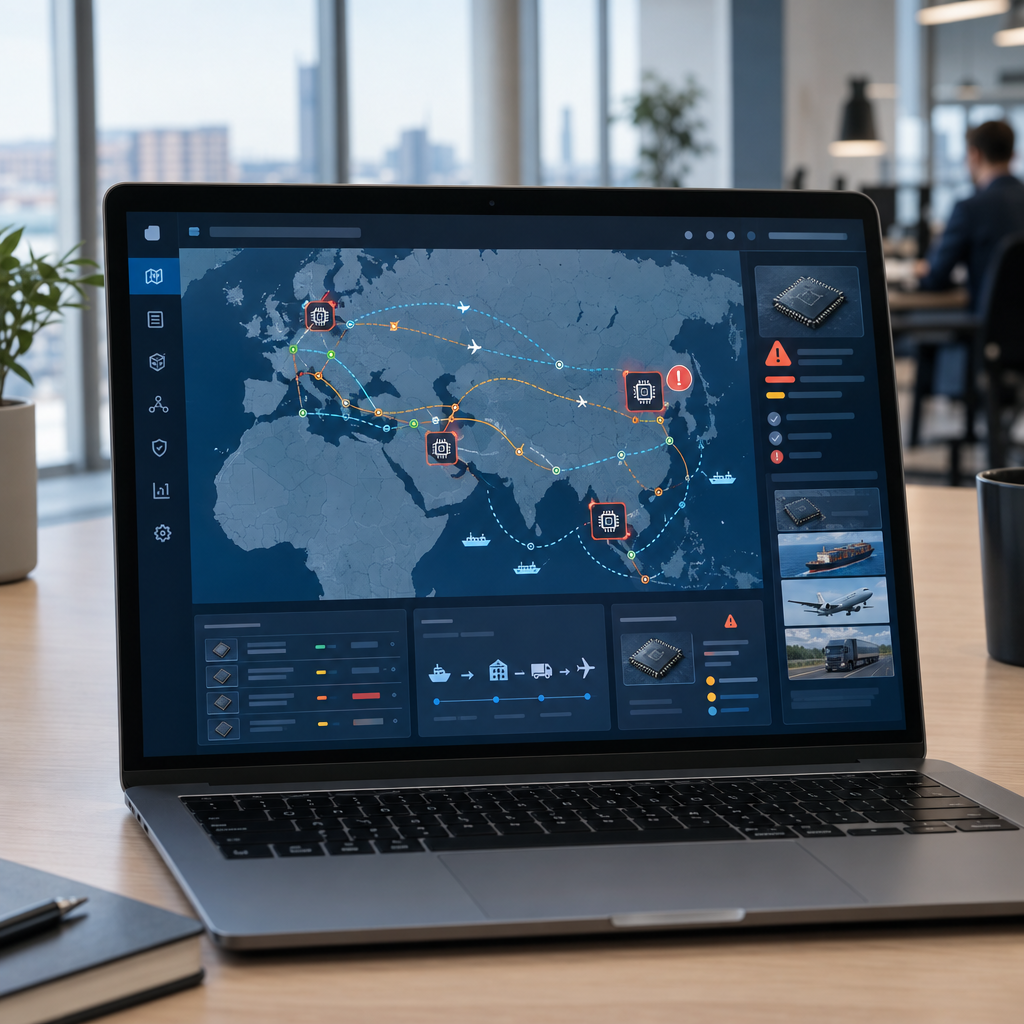
A technical issue can affect many connected services at once. If one system supports scheduling, payments, customer communication or data exchange, its failure may disrupt several teams and suppliers. In air travel, delays can affect passengers, airlines, airports and businesses waiting for deliveries.
The same pattern appears in everyday commerce. A café might be unable to process orders if its point-of-sale system loses access to a key service. An online store could accept orders but fail to update stock, while a clinic may struggle to manage appointments if its booking software becomes unavailable.
2. Legacy technology needs a clear plan
Older systems are not automatically unsafe or unusable, but they can become harder to maintain. Documentation may be incomplete, specialist knowledge may be limited, and older software may not connect easily with modern tools. These issues can make faults slower to diagnose and fixes more difficult to test.
We help businesses assess how their systems are used, where important data flows, and what depends on each service. From there, we can recommend a practical path: improve the existing setup, connect it to newer tools, or replace parts of it in stages. A gradual approach can reduce risk while avoiding unnecessary disruption to day-to-day operations.
3. Monitor systems before customers notice a problem
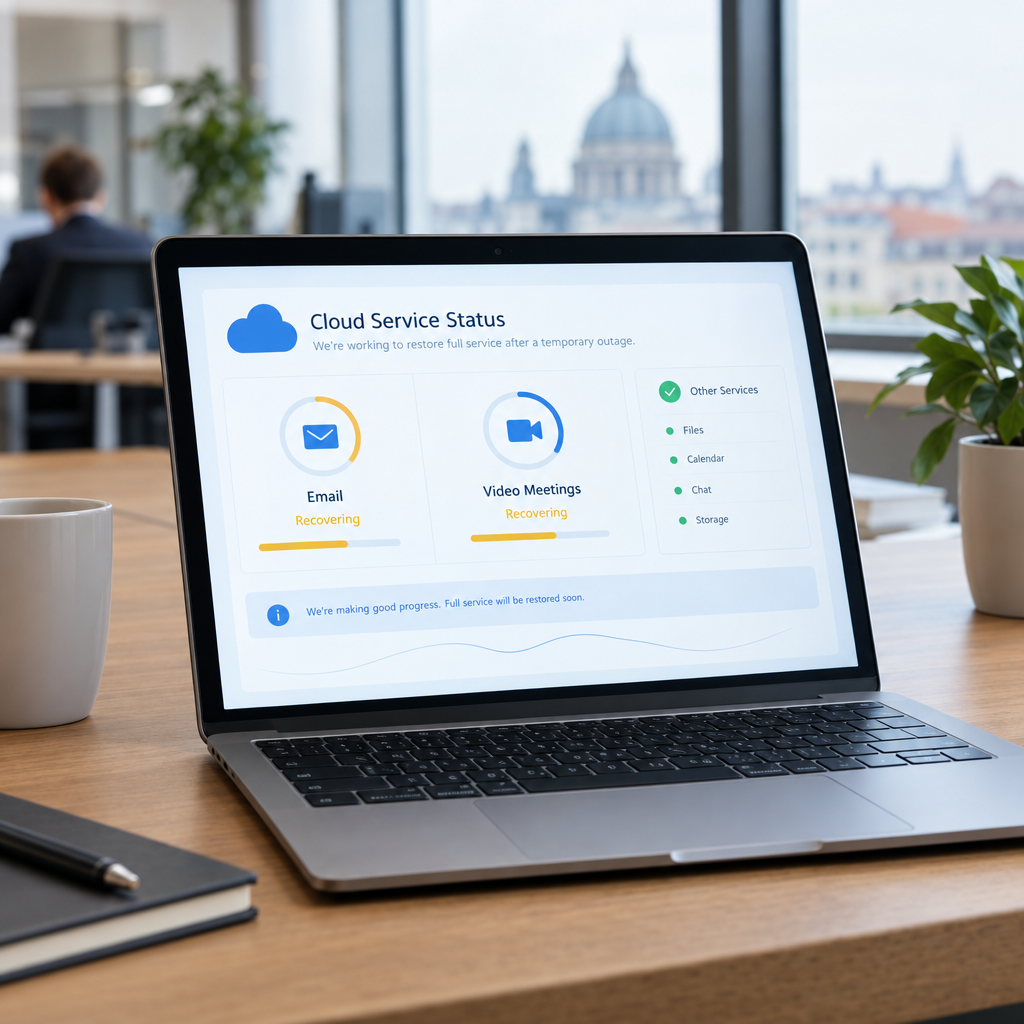
Good monitoring can help a business spot unusual behaviour early, such as slow response times, failed integrations or services that stop sending data. Alerts can then reach the right person before a small issue turns into missed orders or lost working hours.
We can build monitoring and reporting around a company’s specific workflows, with clear alerts and dashboards for the people who need them. For example, a warehouse could be notified when stock updates stop reaching its webshop, while an online booking business could track failed confirmations and respond quickly.
4. Design workflows that can cope with interruptions
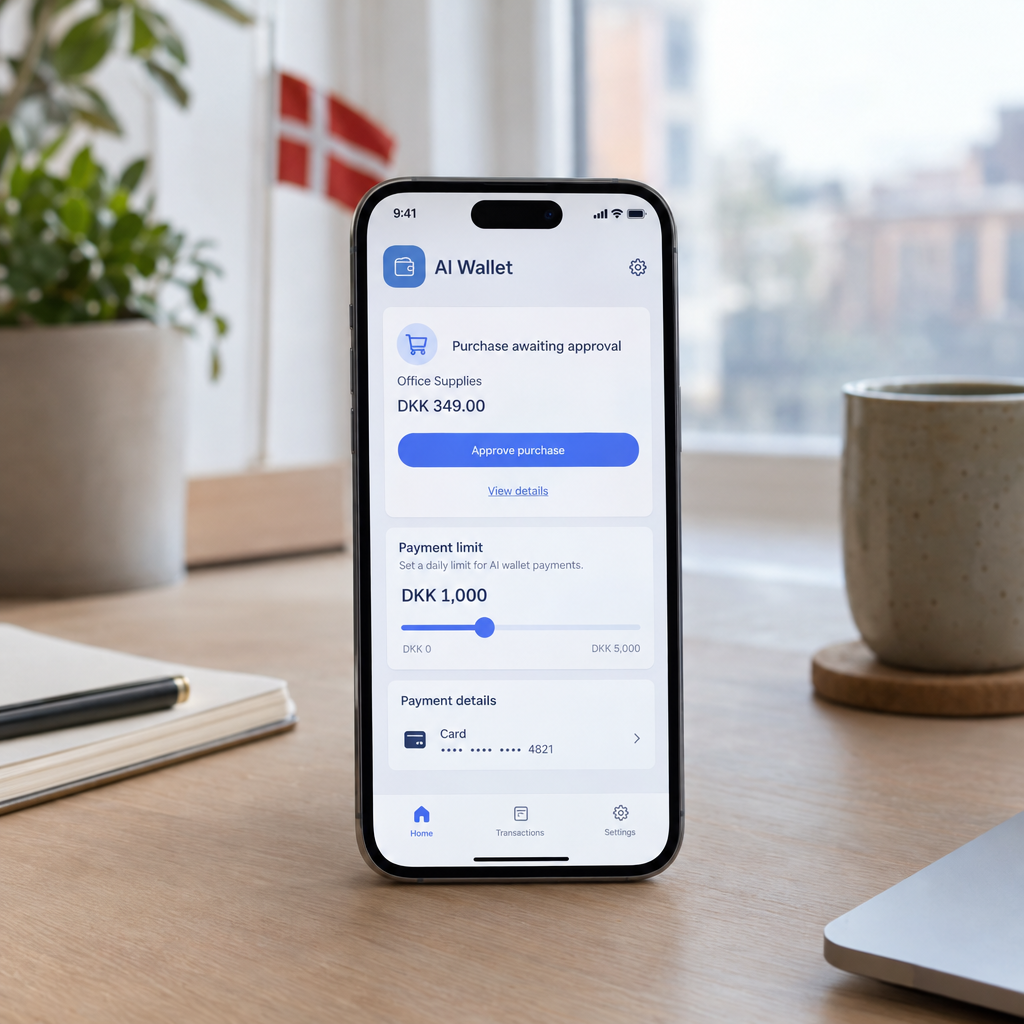
Not every service can stay available all the time, so businesses should decide what happens when a system is temporarily down. A backup process might let staff record orders securely, continue essential customer communication or switch to a manual approval step until normal service returns.
We create tailored automations and integrations that make these fallback processes easier to manage. A retailer, for instance, could queue order updates and send them when a connection returns. A clinic could use a clear procedure for handling appointment requests if its online booking service is unavailable.
5. Protect data and test recovery procedures
Backups are important, but having a backup is not the same as knowing it can be restored. Businesses should regularly test recovery, check who has access to critical systems, and document what staff should do during an outage. These steps are especially valuable when several services share data or depend on the same supplier.
We help companies review their data flows, access controls and recovery processes. Where appropriate, open-source tools such as PostgreSQL for databases or Prometheus and Grafana for monitoring can be part of a solution. The right choice depends on the business, its technical capacity and its requirements—not on popularity alone.
6. Make business continuity part of digital planning
For Danish and European companies, continuity planning should include the services used by employees, customers and suppliers. List the systems that are essential, identify who is responsible for them, and consider what a one-hour or one-day outage would mean. This simple exercise can reveal which improvements deserve attention first.
We can help connect existing platforms, improve automation and develop custom business software that fits the way a company actually works. The goal is to reduce avoidable manual work while making it easier to respond when a service fails. Well-designed systems should support the business on an ordinary day and help it recover on a difficult one.
Conclusion
The FAA ground stop shows how dependence on ageing or malfunctioning technology can have consequences that extend across an entire network. Businesses may not manage air traffic, but they do rely on digital systems to serve customers, coordinate staff and keep revenue moving. Regular reviews, monitoring, tested backups and sensible fallback workflows can make a real difference.
If you want to improve your IT reliability, automate a vulnerable workflow or plan a more resilient digital setup, contact Best Choice. We’ll help you find a practical solution that fits your business.