Grok Bot availability keeps growing: how to choose the right plan for your business
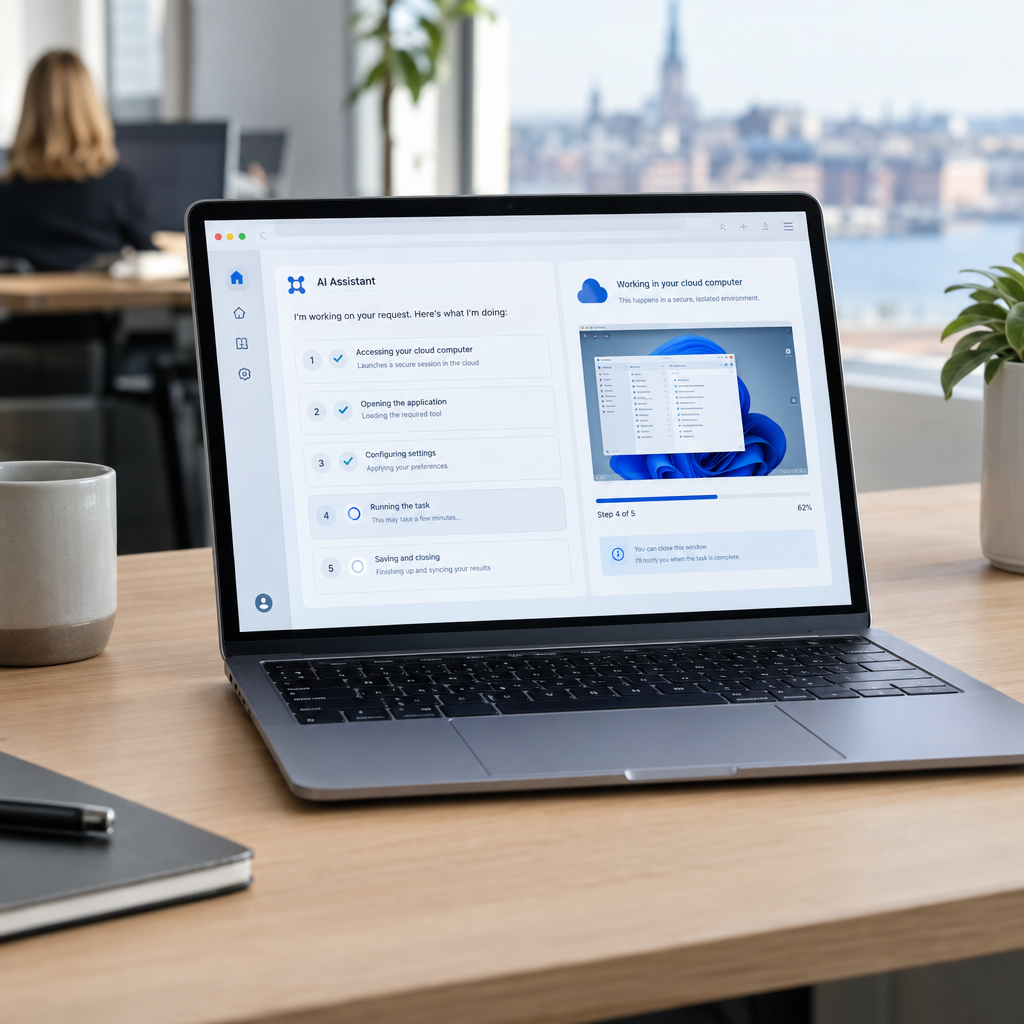
Grok is expanding beyond chat, with agent-style features designed to handle multi-step work using a cloud computer. That could mean more than asking a question: an AI agent may be able to move through a sequence of tasks, work with online tools and help complete a process. For a business, the promise is less time spent on routine work—but only if the feature is included in the right plan and fits your workflow.
Working out which subscription includes which Grok capability can be confusing. Access may depend on the specific feature, your account, location, usage limits and whether a rollout has reached you. At Best Choice, we help businesses look beyond the plan name and assess how AI can safely and practically support their operations.
1. What can an AI bot on a cloud computer do?
A standard chatbot responds to prompts. An agent-style bot aims to carry out a series of steps, potentially using a cloud-based environment to interact with online services. Depending on the features available, a business might use it to gather information, prepare a report or assist with repetitive browser-based tasks.
For example, a webshop team could use an AI assistant to organise product research, while a booking service might explore ways to streamline information gathering before a customer appointment. These are potential workflows—not a guarantee that every task can be automated reliably. Sensitive actions, such as confirming a payment or changing a customer record, should have appropriate human checks.
2. Why Grok plan availability can be difficult to compare
AI subscriptions change quickly. A plan may provide access to a particular Grok model without including every agent or cloud-computer feature. Usage quotas, supported tools, account type and regional rollout can also affect what you can actually use.
Before subscribing, check the current official plan details and confirm that the exact feature you need is available to your account in Denmark or your other operating countries. Look for information about usage limits, business access, data handling and whether the feature is generally available or still being rolled out. Do not rely on an old comparison or assume that a higher-priced plan automatically includes every capability.
3. Start with the business task, not the subscription
The best plan depends on what you want to improve. A café might want help drafting social media content, while a warehouse may be looking to reduce manual product or stock research. A clinic could investigate administrative support, but health information requires especially careful privacy and access controls.
Write down the task, how often it happens, the tools and information involved, and what a successful result looks like. Then test the workflow on low-risk examples. This makes it easier to judge whether Grok’s available features will save enough staff time to justify the subscription and any setup work.
4. Connect AI to your existing business systems
An AI bot becomes more useful when it fits the systems your team already uses. At Best Choice, we build tailored integrations and automation that can connect business processes, APIs, databases, websites and CRM systems. We first map the workflow, then identify which steps are suitable for automation and where a person should remain in control.
For instance, an online store may need product data collected from approved sources, checked, and prepared for review before it is added to the shop. A booking business might automate appointment reminders while keeping booking changes subject to confirmation. If Grok is a suitable part of the process, we can help assess its role; if not, we can consider another model or a more controlled approach.
5. Protect customer data and keep people in control
Before using any AI service for business information, review its current terms, privacy settings and data controls. Under European data protection rules, including the GDPR, businesses should understand what personal data is processed, why it is needed and how it is protected. Avoid sending confidential customer, employee or financial information into a tool until you have confirmed that its use is appropriate.
We recommend starting with non-sensitive data, limiting access, and recording who can use an automated workflow. Add approval steps for actions that affect customers, prices, payments or important records. These precautions help businesses explore automation without treating AI output as automatically correct.
6. Test the value before scaling
Run a small pilot with a clear measure, such as time saved per task, fewer manual errors or faster response times. Compare the results with the current process, including staff review time and subscription costs. If the bot needs extensive correction, the workflow may need redesign—or a different tool may be a better fit.
Keep a simple record of what worked, where the bot struggled and which tasks still need a person. Once the process is reliable, you can decide whether to expand it, integrate it with other systems or keep it as a limited assistant. The right plan is the one that supports a useful, secure workflow—not simply the one with the longest feature list.
Grok’s expanding capabilities may create new opportunities for Danish and European businesses, but availability and plan details can change. If you want to assess an AI workflow, connect tools or automate a process safely, contact Best Choice. We can help you find a practical solution that fits your business and your existing systems.